
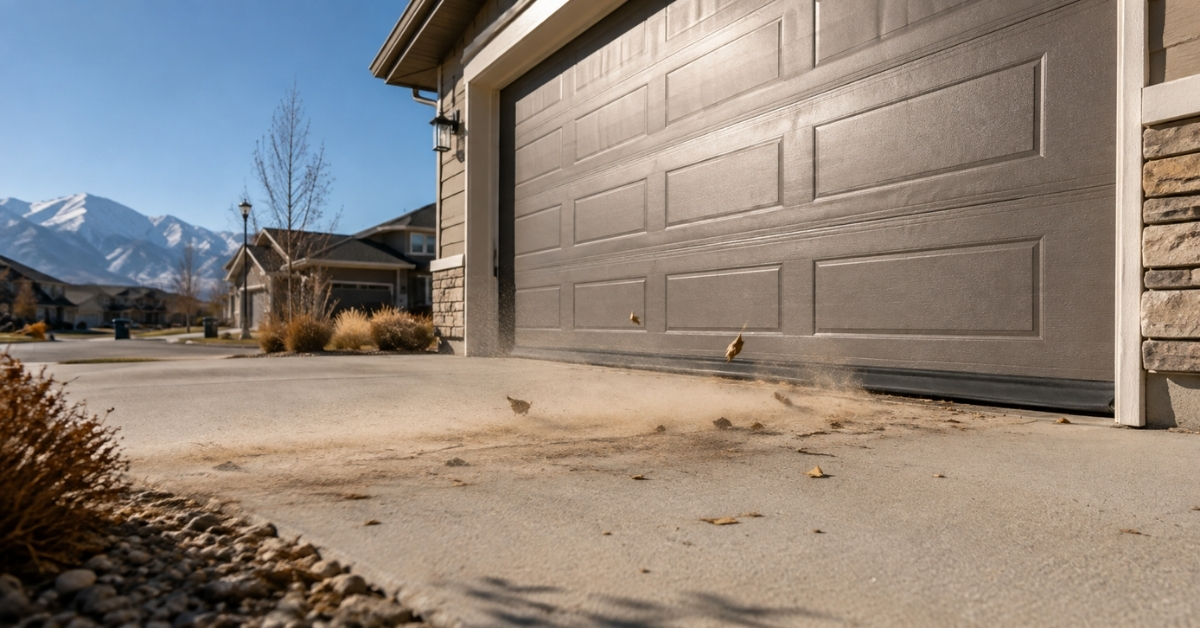
Utah garages deal with a combination of conditions that can expose even small gaps around a garage door. Cold winter air, hot summer temperatures, strong winds, blowing dust, insects, and occasional moisture can all find their way through spaces along the bottom and sides of the door.
Garage door weatherstripping helps close those vulnerable areas. While the seals around a garage door may seem like relatively minor components, they can make a noticeable difference in how clean, comfortable, and protected the garage remains throughout the year. Good seals can also reduce the amount of outdoor air moving through the garage, which becomes especially important when the garage is attached to the home.
Weather Seals Create a Barrier Around the Garage Door
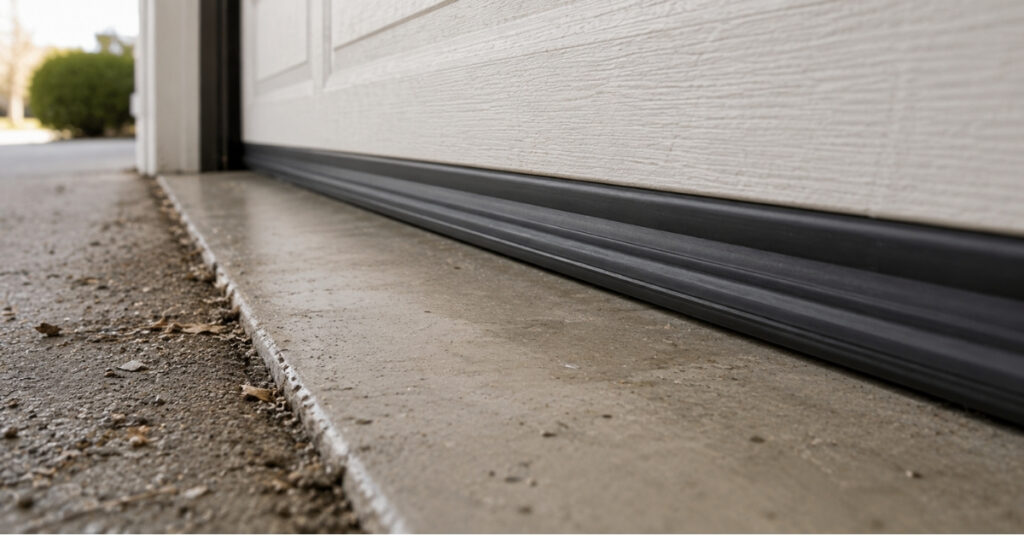
A garage door needs room to move freely, so it cannot be permanently sealed around its entire perimeter. Instead, flexible weather seals fill the small spaces between the door and the surrounding structure when the door is closed.
The bottom seal is particularly important because it sits against the garage floor. Additional seals around the sides and top help close gaps between the door and frame.
Over time, these materials can become brittle, compressed, cracked, torn, or loose. Once that happens, the openings may be large enough to allow dust, insects, wind, and outdoor temperatures into the garage.
When aging seals are part of a larger door problem, professional garage door weatherstripping can be considered alongside the condition and fit of the overall door. This helps determine whether replacing a seal is enough or whether other components are contributing to the gaps.
Utah Wind Can Push Dust and Debris Through Small Openings
Wind is one of the easiest ways to notice a weak garage door seal. During windy conditions, lightweight debris can be pushed toward the garage door and through surprisingly small gaps.
Dust Does Not Need Much Space to Get Inside
Utah’s dry conditions can produce plenty of airborne dust. Fine particles can enter beneath a worn bottom seal or around poorly sealed edges and settle across the garage.
The result may be visible along the perimeter of the door first. Over time, however, dust can spread onto shelves, storage containers, tools, vehicles, sporting equipment, and other belongings.
A better seal will not make a garage completely dustproof. Every time the garage door opens, outdoor air and particles have an opportunity to enter. Still, reducing the gaps around a closed door can significantly limit one of the most consistent entry points.
Windblown Debris Can Become a Maintenance Problem
Leaves, grass clippings, seeds, dirt, and other small debris can also collect near garage doors. If the bottom seal no longer makes consistent contact with the floor, wind can push that material underneath it.
Effective garage door weatherproofing helps reduce these openings so the garage is easier to keep clean between routine sweeping and maintenance.
Weatherstripping Helps Limit Cold Winter Drafts
Utah winters can make gaps around a garage door particularly noticeable. Cold air entering beneath or around the door can quickly lower the temperature inside the garage.
This matters even when the garage itself is not heated.
An attached garage acts as a transition space between outdoor conditions and the interior of the home. If the garage becomes extremely cold, nearby rooms, shared walls, floors, and interior doors may also feel colder.
Weather seals reduce direct drafts, helping the garage maintain a more moderate environment than it would with large gaps around the door.
Insulation and Air Sealing Do Different Jobs
Garage door insulation slows heat transfer through the door itself. Weatherstripping addresses air movement around the edges.
That distinction is important because an insulated garage door can still perform poorly if cold air is moving freely underneath it. Likewise, a well-sealed but uninsulated door still allows some heat transfer through its panels.
For homeowners evaluating garage insulation, it helps to think about the door as a complete boundary rather than focusing only on its insulation rating. Seals, door construction, fit, and the rest of the garage all affect the conditions inside.
Summer Heat Can Enter Through the Same Gaps
Utah’s seasonal temperature swings mean the same openings that allow cold air into a garage during winter can also admit hot outdoor air during summer.
Garages can already become quite warm on sunny days, particularly when the garage door receives direct afternoon sun. Constant airflow through gaps around the perimeter can make controlling those temperatures even harder.
Weatherstripping cannot air-condition a garage, but it can reduce unnecessary air exchange while the door is closed.
This is one reason garage door energy efficiency involves more than the insulation inside the door panels. Air leakage, door fit, exposure to sunlight, shared walls, and other features all influence how the garage interacts with outdoor temperatures.
Bugs and Small Pests Look for Gaps Around Garage Doors
A damaged bottom seal does more than allow air and dirt inside. It can also create an easy path for insects and other small pests.
Spiders, beetles, ants, crickets, and similar pests can use openings around the garage door to enter a protected indoor space. Depending on the size and location of the gap, larger pests may also find an opportunity to get inside.
Weatherstripping is not a substitute for pest control, but closing obvious entry points makes the garage less accessible.
This can be especially useful for garages used for more than vehicle parking. Homeowners often store seasonal decorations, camping gear, pet supplies, cardboard boxes, gardening equipment, and other items that they would rather keep away from insects and pests.
Moisture Can Enter Around a Poorly Sealed Garage Door
Utah may be known for a relatively dry climate, but garages can still encounter rain, melting snow, and water carried toward the door by wind.
A properly fitted bottom seal helps reduce the amount of water that can move underneath the garage door during ordinary weather conditions. Side seals can also help limit wind-driven moisture around the edges.
Weatherstripping should not, however, be expected to solve drainage problems.
If water consistently pools outside the garage or flows toward the door during storms or snowmelt, the issue may involve grading, drainage, or the garage floor itself. A seal can provide a barrier against minor exposure, but it cannot reliably hold back significant standing or flowing water.
Better Sealing Can Make an Attached Garage More Comfortable
Many Utah homeowners use their garages for far more than parking. The space may serve as a workshop, home gym, hobby area, storage room, or temporary workspace.
In those situations, drafts and temperature extremes become more noticeable.
Reducing air leakage around the door can help make the space feel less exposed to outdoor conditions. The benefit is not necessarily that the garage becomes the same temperature as the home. Rather, it may experience fewer direct drafts and less rapid temperature change.
This distinction also matters when considering unheated garages. Insulation and sealing can still be useful even without a dedicated heating system because they affect how quickly outdoor temperatures influence the space.
Weatherstripping Can Support a Cleaner Garage
One of the most practical benefits of good weather seals is simply having less outdoor material to clean up.
A garage will never remain completely isolated from the outdoors. Cars bring in dirt. Shoes track in debris. The door itself opens regularly. But obvious gaps beneath and around the garage door provide another continuous path for dust and debris.
Closing those gaps can mean less dirt collecting along walls and corners and fewer leaves blowing across the floor.
For homeowners who use their garages for storage, hobbies, fitness equipment, or tools, that reduction in everyday cleanup can be just as valuable as the temperature benefits.
Signs the Weatherstripping Is No Longer Doing Its Job
Garage door seals are exposed to repeated movement, temperature changes, sunlight, dirt, and moisture. Eventually, that wear begins to show.
Common signs of deterioration include visible cracks, torn sections, hardened or brittle material, sections pulling away from the door, or a bottom seal that remains permanently flattened.
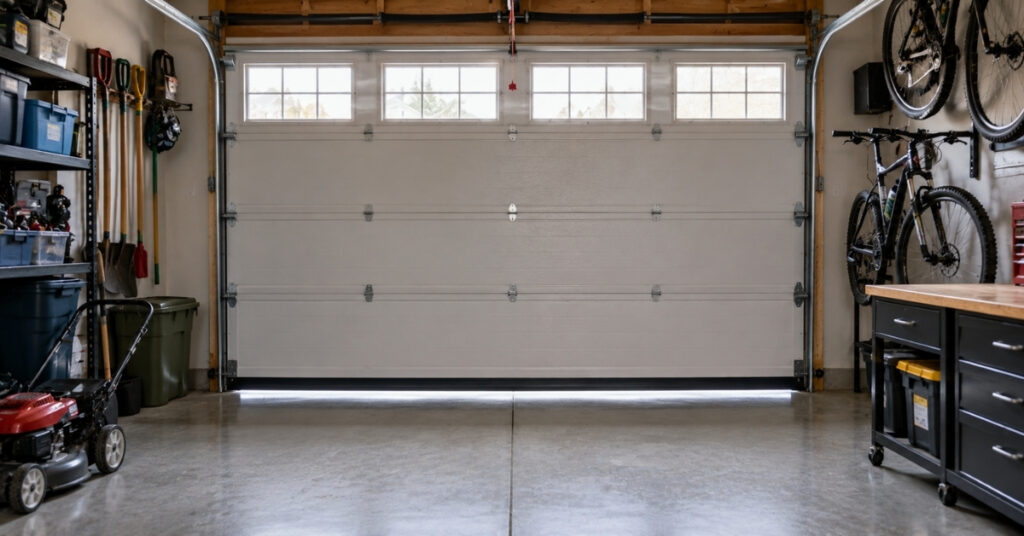
Daylight is another useful clue. With the garage door closed during the day, visible light around the bottom or sides may indicate areas where the seal is no longer making consistent contact.
You might also notice recurring piles of dirt or leaves near one particular section of the door. That pattern can point toward a localized gap.
Not every opening is caused by weatherstripping, however. Door alignment, track issues, an uneven floor, or damaged components can also prevent a door from closing evenly. If the seal looks intact but substantial gaps remain, a garage door service can help identify the actual source.
A Good Seal Works Best With a Properly Fitting Door
Weatherstripping can only compensate for so much. If a garage door is significantly misaligned or the floor beneath it is highly uneven, simply adding thicker sealing material may not address the underlying problem.
The goal is consistent contact without interfering with normal garage door operation.
That is also why weather seals should be considered as one part of the garage’s overall thermal performance. Door insulation, air leakage, the walls and ceiling of the garage, and the connection between the garage and home all play a role.
Homeowners thinking about door efficiency should consider those factors together rather than expecting one feature to control the entire garage environment.
Utah Weather Makes Small Gaps Worth Paying Attention To
A narrow opening around a garage door may not look serious on an ordinary day. Utah’s changing seasons can make that same opening much more noticeable.
Winter exposes the garage to cold drafts and snowmelt. Summer brings heat and dry conditions. Wind can carry dust, leaves, and debris during multiple seasons. Insects and other pests look for protected spaces whenever outdoor conditions become uncomfortable.
Garage door weatherstripping provides a relatively simple barrier against many of those everyday problems. Its value is less about making a garage completely airtight and more about limiting unnecessary exposure through the perimeter of the door.
Keeping seals in good condition can help the garage stay cleaner, reduce drafts, discourage pests, and provide another layer of protection against Utah’s changing weather.
Frequently Asked Questions
How often should garage door weatherstripping be replaced?
There is no universal replacement schedule. Weatherstripping should be inspected periodically and replaced when it becomes cracked, brittle, torn, compressed, loose, or unable to maintain consistent contact around the door.
Can garage door weatherstripping keep all dust out?
No. Dust can enter whenever the garage door opens or through other openings in the structure. Good weatherstripping can, however, reduce the amount of windblown dust entering through gaps around a closed garage door.
Does weatherstripping help during Utah winters?
Yes. Sealing gaps can reduce direct cold-air drafts around the garage door. This can help the garage maintain more moderate conditions, although weatherstripping does not replace insulation or heating.
Does an insulated garage door still need weather seals?
Yes. Insulation reduces heat transfer through the door panels, while weather seals help reduce air leakage around the perimeter. Both can contribute to the overall performance of the garage door.
Can weatherstripping stop rain or melting snow?
Weatherstripping can help limit minor moisture entering beneath and around the door. It should not be relied upon to solve standing water, poor drainage, or significant water flowing toward the garage.
Why can I see daylight under my closed garage door?
Visible daylight may indicate a worn bottom seal, an uneven garage floor, improper door alignment, or another fit issue. The source should be identified before deciding whether replacing the weatherstripping alone will solve the problem.
Can damaged weatherstripping make it easier for bugs to enter?
Yes. Gaps beneath or around a garage door can provide entry points for insects and some small pests. Maintaining the perimeter seals helps close off these obvious access points.

