
Replacing a garage door can change the appearance, comfort, security, and everyday function of a home. While choosing a panel design and color may be the most visible part of the process, those decisions are only a small part of planning a successful residential garage door installation.
A garage door is a complete operating system made up of the door, tracks, springs, cables, rollers, hardware, and often an automatic opener. Each component needs to work with the others. Measurements, available ceiling space, door weight, insulation, and the condition of existing equipment can all affect what should be installed. Thinking through these details before ordering a door can help homeowners avoid compatibility problems and unexpected changes during installation.
Start With Accurate Garage Opening Measurements
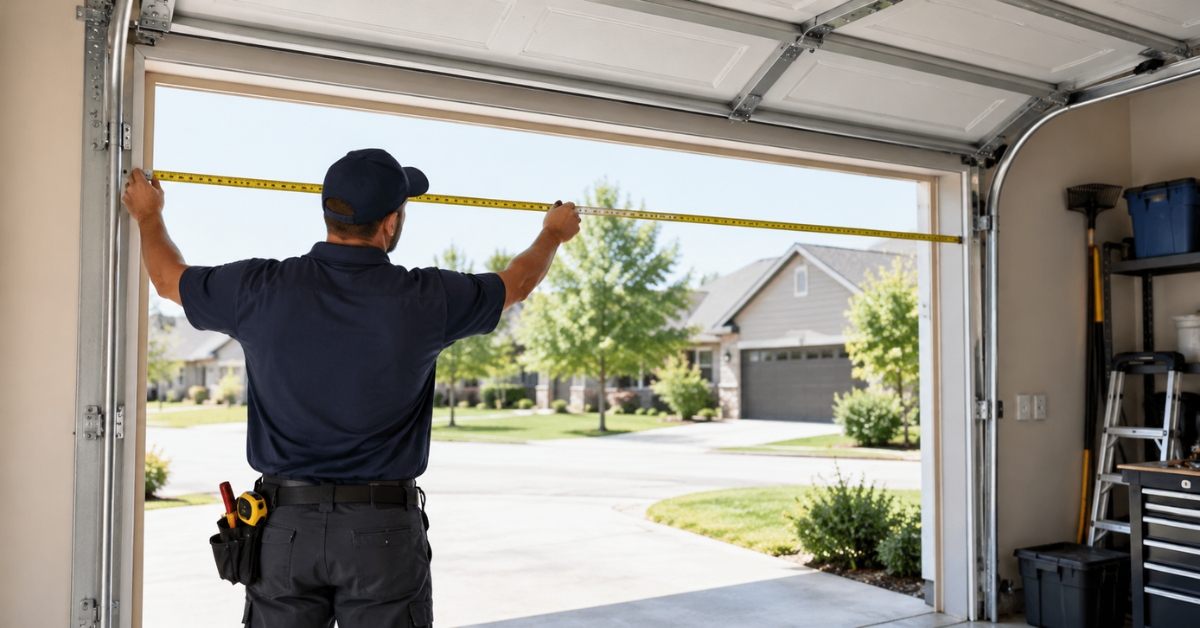
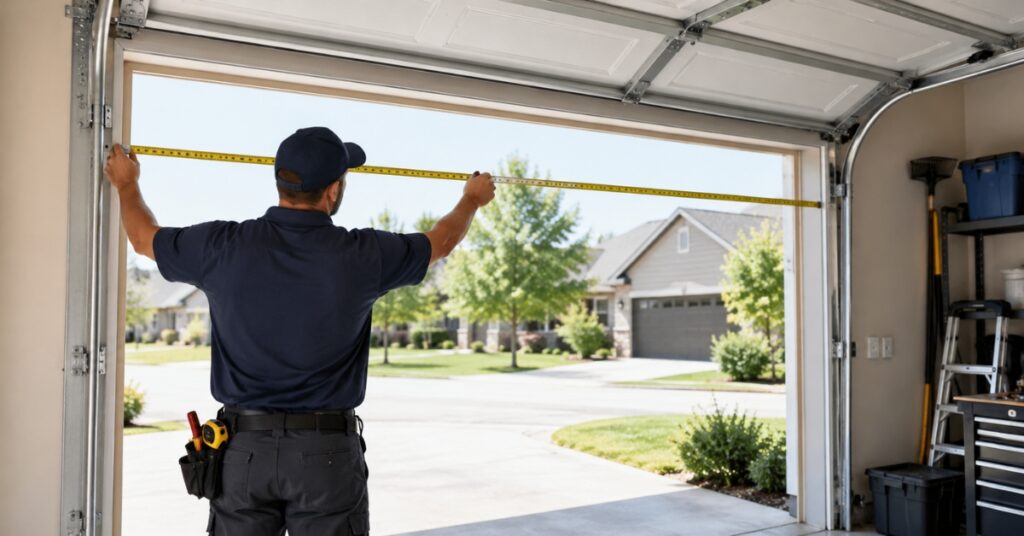
Before selecting a replacement door, the garage opening needs to be measured carefully. The width and height of the opening are important, but they are not the only measurements that matter.
A professional planning residential garage door installation will also consider the space beside and above the opening, along with the depth of the garage. These areas determine whether there is enough room for the tracks, springs, opener, and other operating components.
Headroom and Sideroom Matter
Headroom is the distance between the top of the garage door opening and the ceiling or lowest obstruction above it. Sideroom refers to the available space on each side of the opening.
These measurements influence which track and spring configurations can be used. A garage with generous ceiling clearance may accommodate a standard track configuration, while a garage with limited headroom may require a different setup.
Homeowners should also consider anything occupying the ceiling area, including lighting, storage racks, HVAC equipment, beams, and attic access. A door that fits the opening itself may still require adjustments if its operating hardware conflicts with these features.
Plan the Track Configuration Before Choosing the Door
Garage door tracks guide the door as it moves from the closed position to the open position. Their layout depends on the garage dimensions, ceiling height, door design, and other equipment in the space.
One mistake homeowners may make during a garage door replacement is assuming that the existing tracks can automatically be reused. A replacement door can have different dimensions, thickness, weight, or hardware requirements.
The Door & Access Systems Manufacturers Association notes that an old track may not be appropriate for a replacement door because factors such as section thickness, door weight, required headroom, and opener placement can differ. The organization recommends treating the tracks and door sections as a coordinated system.
That is why track compatibility should be confirmed rather than assumed.
Ceiling Layout Can Affect Track Placement
A garage may contain plumbing, ductwork, electrical conduit, storage systems, or structural features that limit where tracks can run. These obstacles should be identified before installation begins.
In some garages, the layout may require a low-headroom configuration or another specialized track arrangement. Planning around these conditions ahead of time is usually easier than discovering a conflict after the new door arrives.
Door Weight Changes More Than You Might Expect
Garage doors vary considerably in weight depending on their size, material, construction, insulation, windows, and reinforcement.
That weight matters because the springs counterbalance the door. When the spring system is correctly matched and adjusted, a garage door should move smoothly without forcing the opener to lift the entire dead weight of the door.
Changing from a lightweight door to a heavier insulated model, for example, may require different springs or supporting hardware. Adding glass sections or other components can also change the load placed on the system.
This is one reason homeowners should avoid viewing the door as an isolated product. The weight of the selected door influences other components needed to operate it safely.
Think About Insulation Based on How the Garage Is Used
Insulation can be an important consideration, particularly when the garage is attached to the home or regularly used for purposes beyond vehicle storage.
An insulated garage door may help reduce heat transfer through the door itself. This can be particularly relevant when there is living space beside or above the garage, or when homeowners use the garage as a workshop, exercise area, hobby space, or other frequently occupied area.
However, insulation also affects the construction and potentially the weight of the door. The appropriate choice should therefore be considered along with the spring system, tracks, and opener rather than selected solely by comparing insulation ratings.
Homeowners may encounter both R-value and U-factor when comparing doors. These measurements describe thermal performance differently, so product specifications should be compared carefully rather than assuming that a larger number always represents the same thing across both measurements.
Make Sure the Garage Door Opener Matches the New Door
The opener is another major part of installation planning. Keeping an existing opener can sometimes make sense, but compatibility should be verified before connecting it to a new door.
If the existing opener is old, lacks current safety features, or is not appropriate for the new door configuration, combining the projects may be more practical. Professional garage door opener installation can account for door size, balance, travel requirements, mounting position, and the manufacturer’s specifications.
A common misconception is that a heavier or difficult-to-move door simply needs a more powerful opener. In reality, the opener is intended to operate a properly balanced garage door. DASMA specifically cautions that a door that feels unusually heavy may have a balance problem and that installing a stronger opener is not the appropriate solution.
Consider Opener Placement Early
Opener placement can also affect the overall layout.
A conventional ceiling-mounted opener needs adequate overhead space and a suitable attachment point. Other configurations may have different clearance and hardware requirements. Lighting fixtures, ceiling storage, and other garage features can affect where equipment can be installed.
Choosing the door and opener together allows these details to be addressed before installation rather than trying to fit one product around another later.
Evaluate Existing Springs, Cables, Rollers, and Hardware
A replacement project is also an opportunity to evaluate the condition and compatibility of the existing garage door hardware.
Springs, cables, rollers, hinges, brackets, and fasteners all experience wear. More importantly, hardware designed for the old door may not necessarily be appropriate for the dimensions and weight of the replacement.
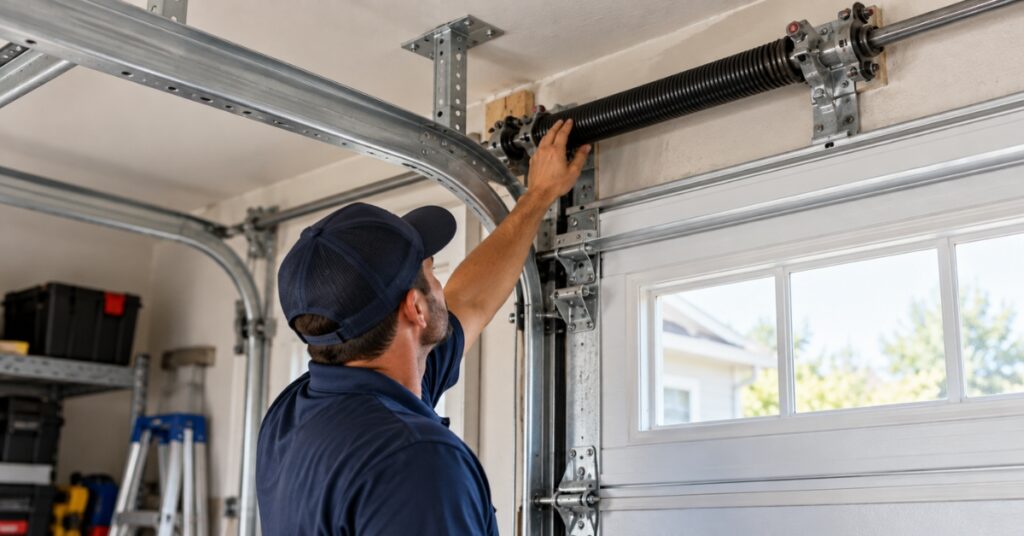
Springs and cables require particular caution because the counterbalance system operates under substantial tension. DASMA recommends having older springs inspected and warns that spring-related components should be serviced by trained technicians because of the potential for serious injury.
Reusing components simply because they still appear functional can create problems if those parts are worn or not properly matched to the new system.
Plan for Removal and Disposal of the Existing Door
Homeowners should also find out what will happen to the old door and hardware.
Removing a sectional garage door involves more than taking panels out of the opening. Springs and other components can remain under significant tension, so disassembly needs to follow appropriate safety procedures.
Before installation day, it helps to confirm whether removal and disposal are included in the project. Homeowners should also clear vehicles, tools, bicycles, storage containers, and other belongings away from the work area.
Installers will typically need access to the garage opening as well as space along the walls and ceiling where tracks and operating hardware will be installed.
Check the Opening and Supporting Structure
A new garage door depends on a sound opening and suitable mounting surfaces.
Before installation, the jambs, header, framing, and surrounding materials should be checked for deterioration or damage. Loose materials, rot, significant cracking, or previous modifications can affect how securely the new system can be mounted.
The floor should also be considered. An uneven garage floor can leave gaps beneath the bottom seal even when the door itself is properly installed. Identifying these conditions beforehand helps distinguish an installation issue from a problem with the surrounding structure.
Do Not Skip Final Balance and Safety Testing
Installation is not complete simply because the door opens and closes.
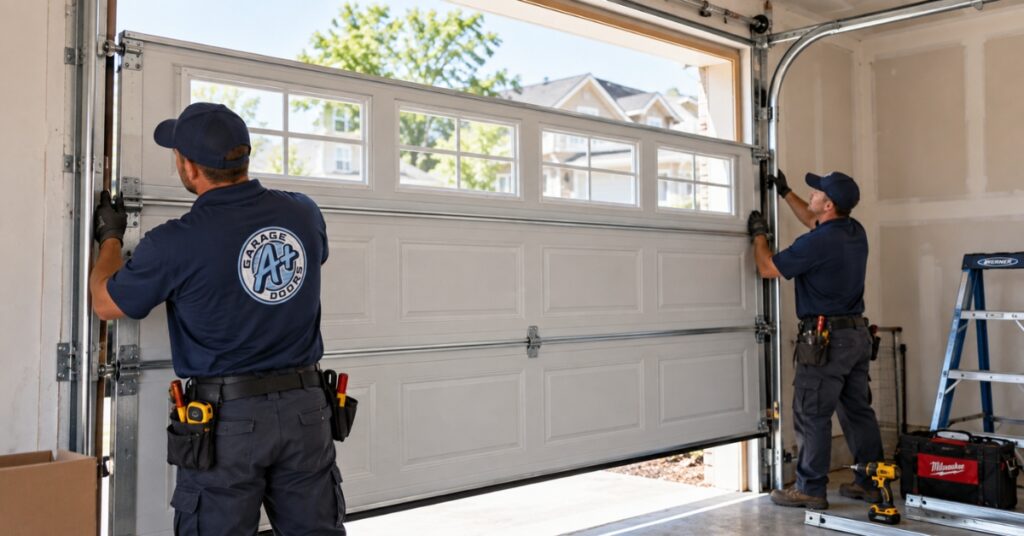
The finished system should be checked for smooth movement, proper balance, track alignment, correct hardware operation, and appropriate opener travel. If an automatic opener is installed, its safety features also need to function correctly.
Residential garage door openers manufactured for the U.S. since 1993 are required to include a secondary entrapment protection feature, such as photoelectric sensors. DASMA also recommends checking the opener’s reversing functions and keeping sensors positioned according to the manufacturer’s instructions.
Homeowners can review additional garage door safety guidance from DASMA for information about door operation, springs, cables, tracks, and routine safety practices.
Test Manual Operation Too
Even a door that is normally operated automatically should be capable of appropriate manual operation when disconnected from the opener.
A properly balanced door is important to the operation of the entire system. If the door is difficult to move, drops unexpectedly, or does not travel smoothly, the underlying issue should be addressed rather than expecting the opener to compensate for it.
Treat the Door and Opener as One System
The biggest planning lesson is that a garage door, its hardware, and its opener should not be treated as unrelated purchases.
Door dimensions affect the tracks. Door weight affects the counterbalance system. Track configuration affects available opener arrangements. Insulation and windows can affect door weight. Existing ceiling conditions influence both track and opener placement.
Planning these elements together creates a clearer picture of what the garage actually needs.
Homeowners researching replacement door options can also learn more about the practical considerations involved in updating an existing garage door system before settling on a particular configuration.
A successful residential garage door installation starts well before the old door comes down. Careful measurements, compatible equipment, appropriate hardware, and thorough safety testing all contribute to a system that works properly as a whole.
Frequently Asked Questions
Can a new garage door use the existing tracks?
Not always. Track requirements can depend on the thickness, weight, dimensions, and design of the new door, as well as available headroom and opener placement. The existing tracks should be evaluated for compatibility before they are reused.
Should the garage door opener be replaced at the same time as the door?
It depends on the age, condition, safety features, and compatibility of the existing opener. If the new door has different operating requirements or the existing opener is outdated, replacing both during the same project may make sense.
Does an insulated garage door require different hardware?
Potentially. Insulation can change the construction and weight of a garage door. Because the spring system and other hardware must be appropriate for the door’s weight and configuration, those components should be evaluated when an insulated replacement door is selected.
How much headroom does a garage door need?
Required headroom varies depending on the door, spring system, track configuration, and opener. Garages with limited overhead space may need a specialized track arrangement. Accurate measurements should be taken before a door is ordered.
Can old garage door springs be reused?
That depends on their condition and whether they are correctly sized for the replacement door. Springs are selected according to the characteristics of the door they counterbalance, so existing springs should not automatically be assumed to work with a new door.
What should be tested after a garage door is installed?
The installer should verify smooth travel, proper balance, track and hardware operation, opener travel, and applicable safety-reversal systems. Photoelectric sensors and other safety equipment should also be positioned and tested according to the opener manufacturer’s instructions.


