As winter settles into Utah and temperatures dip, your garage door weather seals are working harder than ever. These seemingly simple strips of rubber and vinyl play an out-sized role in keeping your garage—and your home—comfortable, energy-efficient, and protected from the elements. But when they crack and start leaking air, cold drafts can sneak in, energy bills go up, and other problems quickly follow.
In this guide we’re breaking down everything you need to know about weather seals—how they work, why they fail in cold weather, how to diagnose issues, and how to fix or replace them properly.
(And if you’d rather have a garage door pro handle it, we’ll explain that too.)
What Are Garage Door Weather Seals?
Garage door weather seals, also called weatherstripping or weather-seal strips, are flexible strips of material mounted around the perimeter of your garage door—along the bottom edge, sides, and top—to block air, moisture, and debris from passing through small gaps when the door is closed. Together with optional threshold seals, these pieces form your door’s first line of defense against cold, snow, wind, and dust.
- Bottom Seal: The rubber or vinyl strip along the bottom of the door.
- Side & Top Seals: Mounted on the jamb and header around the opening.
- Threshold Seal: An optional strip adhered to the floor for an extra tight bottom seal.
Why Weather Seals Matter—Especially in January in Utah
Utah winters bring significant temperature swings, freezing nights, snow, ice, wind, and eventually slush. All of these conditions expose weather seals to stresses that accelerate wear and failure. When weather seals are compromised, you may notice:
❄️ Cold Air Drafts and Higher Heating Bills
Just like a leaky window, gaps around your garage door let cold air pour into your garage—which can then transfer into your home (especially if it’s attached), causing heating systems to work harder. Studies show that poorly sealed doors can dramatically increase energy loss.
💨 Air and Moisture Infiltration
Snow blown under the door or water seeping in can puddle and refreeze, both weakening seals and causing ice build-up that worsens the situation.
🐜 Pest Intrusion
Small gaps invite insects, rodents, and other critters to explore inside your garage.
🔧 Wear on Door Components
Moisture and drafts near moving parts can contribute to rust and stiffness in springs, rollers, and tracks—especially when combined with freezing cold.
Why Weather Seals Crack & Fail in Cold Weather
Even the best quality weather seals eventually break down, and Utah winters speed up several failure mechanisms:
🥶 Cold Temperature Hardens Materials
Rubber and vinyl are designed to be flexible—but freezing temperatures make them stiff and brittle. Over time they lose elasticity, crack, or break entirely.
❄️ Ice and Snow Expansion
Water that seeps into small gaps can freeze and expand, prying seals away from their retainers and causing splits or tears.
🧊 Repeated Freeze-Thaw Cycles
Repeated freezing and thawing cycles are particularly cruel: seals flex or compress in the day and snap back at night, accelerating fatigue and cracks.
👣 Physical Wear & Tear
The bottom seal gets the most action. It’s pushed into contact with the floor thousands of times, scraped by grit and debris, and hit with snow shovels or ice scrapers. Over months this wear shows up as cracks, flattening, or chunks missing.
🧪 Chemicals & Salt
Road salt, de-icers, and cleaners can break down rubber compounds and accelerate cracking, especially near driveways that see heavy winter use.

Signs Your Weather Seals Need Attention
Here are clear indicators that your seals are failing:
✅ Visible cracks or brittle spots
✅ Light or cold air coming in around the edges
✅ Water or snow blowing in after storms
✅ Increased energy usage in January
✅ Pests entering through small gaps
✅ Flat or compressed seals that don’t rebound
A quick check on a sunny day is simple: close the garage door, shut off lights, and look for daylight around the edges. If you see light, you’ve got an air leak.
How to Fix or Replace Weather Seals
🛠️ Inspection & Cleaning
Start by brushing away dirt, grit, and debris from the seal channels. Clean with mild soap and water—never harsh solvents that degrade rubber.
🔁 Replace Damaged Seals
If seals are cracked, torn, or no longer compress and rebound, they should be replaced. Often it’s best to replace all perimeter seals at once so they form a consistent barrier.
📏 Choose Weather-Appropriate Materials
For Utah’s cold winter, rubber seals that remain flexible in low temperatures are ideal. Some homeowners also add a threshold seal on the garage floor for added protection.
🧰 Consider Professional Installation
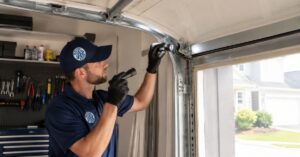
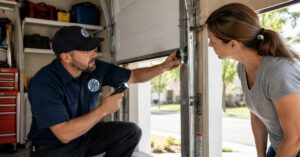
Improper installation can leave small gaps and reduce effectiveness. A trusted garage door company like A Plus Garage Doors ensures proper fit, alignment, and long-lasting performance.
Preventative Tips to Extend Seal Life
Here’s how to keep weather seals working longer and more effectively:
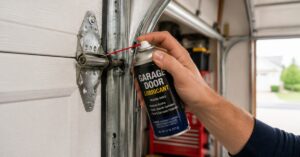
🔥 Apply Silicone Lubricant: A silicone-based spray keeps rubber pliable and helps prevent cracking.
📅 Seasonal Inspections: Check seals each fall and late winter.
🧹 Keep Threshold Area Clean: Remove salt, snow, and debris promptly.
🧻 Avoid Harsh Chemicals: Use gentle cleaning products around your garage door.
Utah’s Winter Sets the Test—Be Prepared
Utah winters are long, cold, and often unpredictable. When your garage door’s weather seals are compromised, the effects are immediate: cold drafts, less comfort, and higher utility bills. But with regular inspection, timely replacement, and the right materials, you can keep your garage—and home—as warm and efficient as possible all winter long.
Whether you want DIY tips or professional help, the team at A Plus Garage Doors can assess your door seals, recommend the best products for Utah weather, and install them with lasting results.
Contact us today for a winter weather seal inspection and quote!