A garage door that won’t close properly is more than just an inconvenience—it can leave your home exposed, disrupt your routine, and signal deeper mechanical issues.
For many homeowners, the problem seems random. One day everything works fine, and the next, the door refuses to shut or reverses without warning.
The reality is: garage door systems are made up of multiple interconnected components, and when even one part isn’t working correctly, the entire system can fail.
This guide breaks down exactly why your garage door won’t close, how to identify the cause, and what you can safely fix on your own.
🔍 How Your Garage Door Closing System Actually Works
Before troubleshooting, it helps to understand what’s happening behind the scenes.
When you press your remote or wall button:
- The opener activates and begins pulling the door downward
- The springs control the weight and tension of the door
- The rollers guide the door along the tracks
- The safety sensors verify that nothing is in the way
If any part of this chain is interrupted, the system is designed to stop or reverse as a safety precaution.
The Most Common Reasons Your Garage Door Won’t Close
1. Safety Sensor Problems (Most Likely Issue)
Garage door safety sensors are a critical feature designed to prevent injury or damage. They sit a few inches off the ground on either side of the door and communicate using an invisible beam.
If that beam is interrupted—even slightly—the door will not close.
What can go wrong:
- Sensors are bumped out of alignment
- Dust, dirt, or spider webs block the lens
- Loose wiring interrupts the signal
- Sun glare interferes with the beam
How to check:
Look at the LED lights on each sensor. If one is blinking or off, the sensors are not properly aligned or functioning.
In many cases, simply cleaning and adjusting the sensors resolves the issue within minutes.

2. Obstructions or Resistance in the Track System
Your garage door relies on smooth movement along metal tracks. When something interferes with that path, the opener senses resistance and reverses the door.
Common causes:
- Dirt, leaves, or debris inside the track
- Small dents or bends in the track
- Worn or broken rollers
- Lack of lubrication
Even minor resistance can trigger the system’s safety mechanism.
What to look for:
- Jerky or uneven movement
- Grinding or scraping noises
- Visible buildup or damage along the track
3. Incorrect Travel or Limit Settings
Garage door openers are programmed with “limit settings” that tell the door how far to travel when opening and closing.
If these settings are off, the system may think:
- The door has already reached the ground
- There is an obstruction when there isn’t
This often results in the door reversing just before it fully closes.
Signs of a limit issue:
- Door closes most of the way, then reverses
- No visible obstruction is present
- Problem is consistent every time
Adjusting these settings usually requires a precise calibration and varies by opener model.
4. Worn or Failing Garage Door Springs
Garage door springs carry the weight of the door, making it possible for the opener to move it smoothly.
When springs begin to wear out:
- The door becomes heavier
- Movement becomes uneven
- The opener struggles to complete the cycle
In more severe cases, a broken spring will prevent the door from closing entirely.
Warning signs:
- Loud “bang” from the garage
- Door appears crooked when moving
- Gaps or stretching in the spring
⚠️ Important: Springs are under extreme tension and should never be repaired without proper training and tools.
5. Garage Door Opener or Motor Issues
Sometimes the issue isn’t mechanical—it’s electrical.
Your opener may be experiencing:
- Motor fatigue
- Circuit board issues
- Signal problems with remotes
Symptoms include:
- Door not responding at all
- Intermittent operation
- Clicking sounds without movement
In these cases, professional diagnostics are typically needed.

🛠️ What You Can Safely Try Before Calling for Service
While some problems require professional repair, there are a few safe and effective troubleshooting steps homeowners can take:
✔️ Clean and Inspect Sensors
Gently wipe both sensor lenses and ensure they are aligned and facing each other.
✔️ Clear the Tracks
Remove any visible debris and check for obstructions along the path.
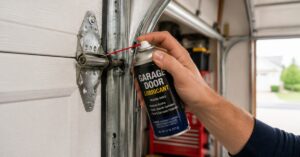
✔️ Lubricate Moving Parts
Apply a garage-door-safe lubricant to rollers, hinges, and tracks to reduce friction.
✔️ Test the Wall Switch
If the remote isn’t working, try the wall button to rule out a signal issue.
🚨 When to Call a Professional
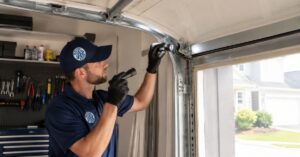
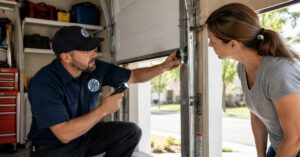
If your garage door still won’t close after basic troubleshooting, it’s time to bring in an expert.
You should schedule service if:
- The door is uneven or off-track
- You hear loud grinding or snapping noises
- The door reverses unpredictably
- You suspect a spring or cable issue
Delaying repairs can lead to further damage—and higher repair costs.
Why This Issue Shouldn’t Be Ignored
A garage door that won’t close properly isn’t just inconvenient—it can:
- Leave your home vulnerable to theft
- Expose your garage to weather and debris
- Put unnecessary strain on your opener system
Addressing the issue early helps protect both your home and your wallet.
Final Thoughts
Garage door problems rarely fix themselves—but the sooner you identify the issue, the easier (and more affordable) it is to resolve.
Whether it’s a simple sensor adjustment or a more complex repair, understanding the cause is the first step to getting your garage door back to working the way it should.
At A+ Garage Doors, we specialize in fast, accurate diagnostics and reliable repairs—so you’re never stuck dealing with a door that won’t close.
📞 Need Help?
If your garage door isn’t closing properly, don’t wait for the problem to get worse.
Contact A+ Garage Doors today for professional service you can trust.