Introduction
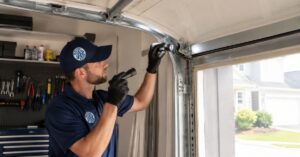
In Utah, where weather extremes and busy lifestyles demand reliable home systems, maintaining your garage door is essential. Garage door eye sensors, also known as safety sensors, are small devices mounted near the bottom of your garage door tracks, typically about six inches above the floor. They operate in pairs: the sending sensor emits a beam of light, which the receiving sensor detects. When properly aligned, the sensors allow your garage door to open and close smoothly.
Misaligned or obstructed sensors can stop your garage door from closing properly, causing it to reverse automatically. If ignored, these issues can lead to more complex problems requiring professional garage door eye sensor repair, so regular inspection and proper alignment are essential.
Though easy to overlook, these “invisible sentinels” are essential for the safe and reliable operation of your overhead door system. This guide will show you how to align your sensors, troubleshoot common problems, and maintain your garage door’s safety and performance.

How to Align Garage Door Eye Sensors

Step 1: Check the Power Lights
- The sending sensor should display a yellow light whenever the door is powered and the sensors are active.
- If the yellow light is off, there may be an electrical issue, such as a loose wire or a tripped breaker. Inspect power connections before attempting alignment.
Step 2: Observe the Receiving Sensor
- The receiving sensor should display a green light when properly aligned.
- If the green light is off, the sensors need adjustment.
Step 3: Adjust the Sensor Alignment
- Loosen the wing nut holding the sensor in place.
- Adjust the sensor on all axes, moving it forward, backward, inward, and outward, until the green light turns on.
- Tighten the wing nut to secure the position.
Step 4: Verify Operation
- Test your garage door by opening and closing it several times.
- Ensure both lights remain steady and the door operates without reversing unexpectedly.
Troubleshooting Eye Sensor Problems
| Issue | Symptoms | Possible Causes | How to Fix / Check | Tips |
| Obstructions | Door stops, reverses, or fails to close; sensor lights flicker or stay off | Cobwebs, dust, dirt, leaves, hard water buildup, or other debris blocking the beam | Clean sensor lenses with a soft cloth or mild soap and water. Remove any debris in front of the sensors | Check sensors regularly; even small dust layers can interfere with operation |
| Loose or Misaligned Tracks | Sensors flicker during door movement; door may reverse unexpectedly | Rattling, loose bolts, or bent tracks causing sensors to move slightly | Tighten track bolts; ensure tracks are straight and properly aligned | Inspect tracks when performing routine garage maintenance |
| Damaged Wiring | Door fails to respond; sensor lights stay off | Nicks, cuts, staples piercing wires, disconnected wiring | Inspect wires from sensor to opener for visible damage; replace or repair damaged wiring | Avoid stapling wires tightly; leave slight slack to prevent stress |
| Sensor Malfunction | Lights don’t illuminate properly or flicker without obvious obstructions | Faulty sensor hardware or connection issues | Test sensors by swapping positions if possible; replace defective units | Keep extra sensors or hardware on hand for quick replacement |
| Power Issues | Both lights stay off, or the door won’t operate | Tripped breaker, unplugged unit, or power outage | Check power supply, circuit breaker, and outlet | Always ensure sensors have a dedicated, stable power source |
Safety Reminder: Never force the door closed if sensors are blocked or malfunctioning. Doing so can damage the door, opener, or cause injury. When in doubt, call a certified garage door professional.
FAQs About Garage Door Eye Sensors
How do I know if my garage door sensors are misaligned?
If your garage door stops or reverses unexpectedly when closing, or if the sensor lights flicker or turn off, misalignment is often the cause. Check that the sending and receiving sensors are facing each other directly and that the indicator lights are on.
Can debris really prevent my garage door from closing?
Yes. Cobwebs, dust, dirt, leaves, and even hard water buildup on the sensor lenses can block the beam. Regular cleaning with a soft cloth and mild soap can prevent this issue.
Why does my sensor light flicker even when it seems aligned?
Flickering can indicate loose or rattling tracks, vibrations, or worn sensor brackets. Ensuring tracks are tight, straight, and sensors are secure usually resolves the problem.
Is it safe to bypass the eye sensors to close my garage door?
No. Eye sensors are a critical safety feature. Bypassing them can risk injury or damage to people, pets, or objects in the door’s path. Always repair sensors rather than bypassing them.
Can I fix damaged sensor wiring myself?
Minor visible issues like loose connections can sometimes be repaired, but damaged wiring or internal faults are best handled by a certified technician to maintain safety and proper door operation.
How often should I check my garage door sensors?
It’s recommended to inspect sensors at least twice a year during routine garage maintenance or after severe weather events. Ensure lenses are clean, aligned, and wires are intact.
Key Takeaways
- Garage door eye sensors are essential for safe and reliable door operation. Proper alignment ensures the door opens and closes correctly.
- Misaligned or obstructed sensors can prevent the door from closing, triggering automatic reversal.
- Troubleshooting should include checking for debris, loose tracks, and damaged wiring.
- The sending sensor should show a yellow light, and the receiving sensor should show a green light when properly aligned.
- Professional assistance is recommended if alignment or troubleshooting does not resolve the issue.
Keep Your Garage Door Safe and Reliable
Properly aligned and functioning eye sensors are essential for safe and smooth garage door operation. Regular inspection, cleaning, and addressing issues promptly not only protects your family and pets but also helps prevent costly repairs and extend the life of your garage door system .If your sensors continue to cause problems after troubleshooting, a professional can provide expert garage door eye sensor repair in Utah, quickly resolving alignment, wiring, or hardware issues. Staying proactive ensures your garage door operates safely, efficiently, and reliably for years to come.